Review
Research-ledYour Child Is Not Broken Review: Validation and Advocacy, with Limits
Your Child Is Not Broken combines memoir, reassurance and advocacy for parents of neurodivergent children. It is strongest at reducing parent blame, not at replacing individual education, clinical or legal advice.
Worth it if
you need permission to think differently about your child and more confidence asking systems to listen
Watch out for
its forceful memoir-and-advocacy voice may not suit readers seeking a neutral technical manual or step-by-step statutory guidance
See Your Child Is Not Broken on Amazon
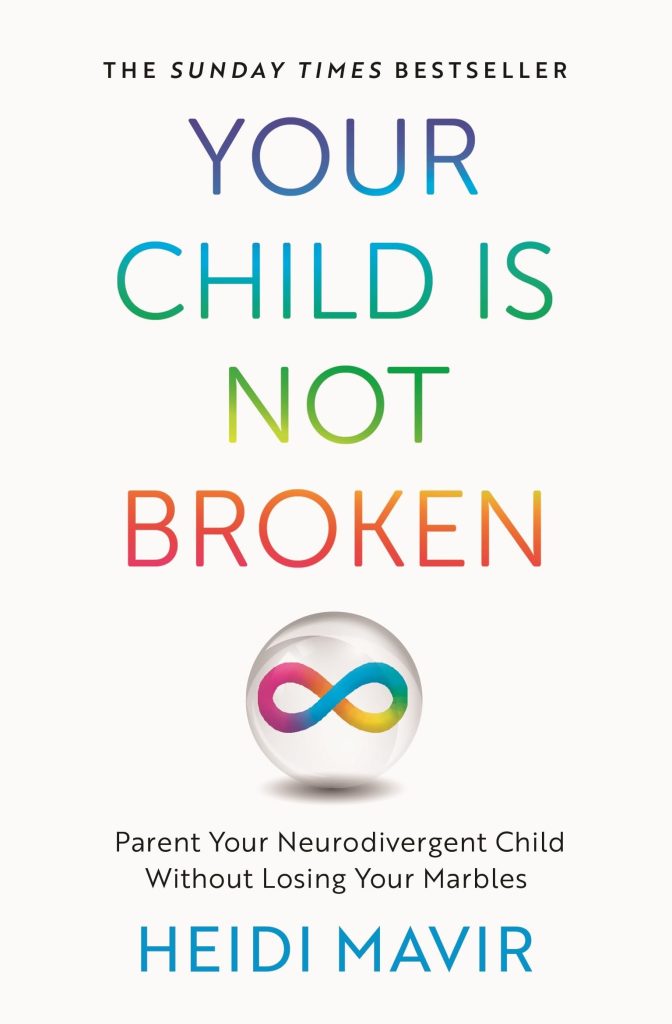
Heidi Mavir writes as a late-identified neurodivergent adult and parent of an autistic and ADHD teenager. Pan Macmillan describes the updated edition as part autobiography, part parenting manual, adding material on demand avoidance and rejection sensitivity alongside an interview with her son. The book’s job is validation and advocacy energy, not clinical comprehensiveness.
Is validation the help this book provides best?
This is a valuable read for a parent trapped in blame, panic and pressure to make a child appear typical. The lived-experience voice can make advocacy feel possible. It should sit beside—not above—the child’s own communication, individual assessment and current school or health guidance. Readers who dislike confrontational framing may prefer a calmer reference and return to selected chapters later.
Where the parent voice builds confidence
Pan Macmillan confirms the author, current updated edition, 288-page length, Bluebird imprint and expanded topics. The publisher also clearly labels the work as memoir and manual, which helps set expectations. NICE guidance for autistic adults is not a parenting manual, but its principles of respect, participation, communication adaptation and environmental change provide a useful standard against which practical advice can be considered.
What memoir and advocacy cannot replace
One family’s route through education and support cannot map every child, school, local authority or level of need. Terms such as demand avoidance and rejection sensitivity are used differently across clinical and community contexts. The book cannot determine provision, diagnose a condition or handle immediate safeguarding concerns. Emotional validation is useful but is not evidence that every recommended tactic fits.
Read for language you can use this week
Read the sections connected to the pressure point you face now. Write down what the child communicates, what the environment demands and one accommodation to test. Separate the emotional case for respect from the evidence required in a formal school or health process. Bring current local guidance to meetings as well as personal language from the book.
Choose formal guidance for rights and interventions
Choose Neurodiversity For Dummies for a broader and more neutral introduction. Choose official SEND, NHS or NICE guidance for formal processes. Choose a clinician- or educator-led title when you need a structured intervention manual rather than memoir and advocacy.
Buy for solidarity; borrow for a tone check
Choose this book when blame and isolation are stopping constructive advocacy. Borrow or sample first if the tone may feel activating. Skip it as a standalone plan: the child’s needs, voice and local duties remain the decision-making centre.
Questions for parents before choosing it
Is the author writing from lived experience?
Yes. The publisher identifies Heidi Mavir as a late-identified neurodivergent adult and parent of an autistic and ADHD teenager.
Is it a school-law guide?
No. It is memoir and parenting advocacy. Check current official guidance for education duties and procedures.
Which edition is current?
Pan Macmillan lists an updated 288-page edition with additional topics and an interview with the author’s son.