
Review
Research-ledBose QuietComfort Headphones Review for Sensory Overload
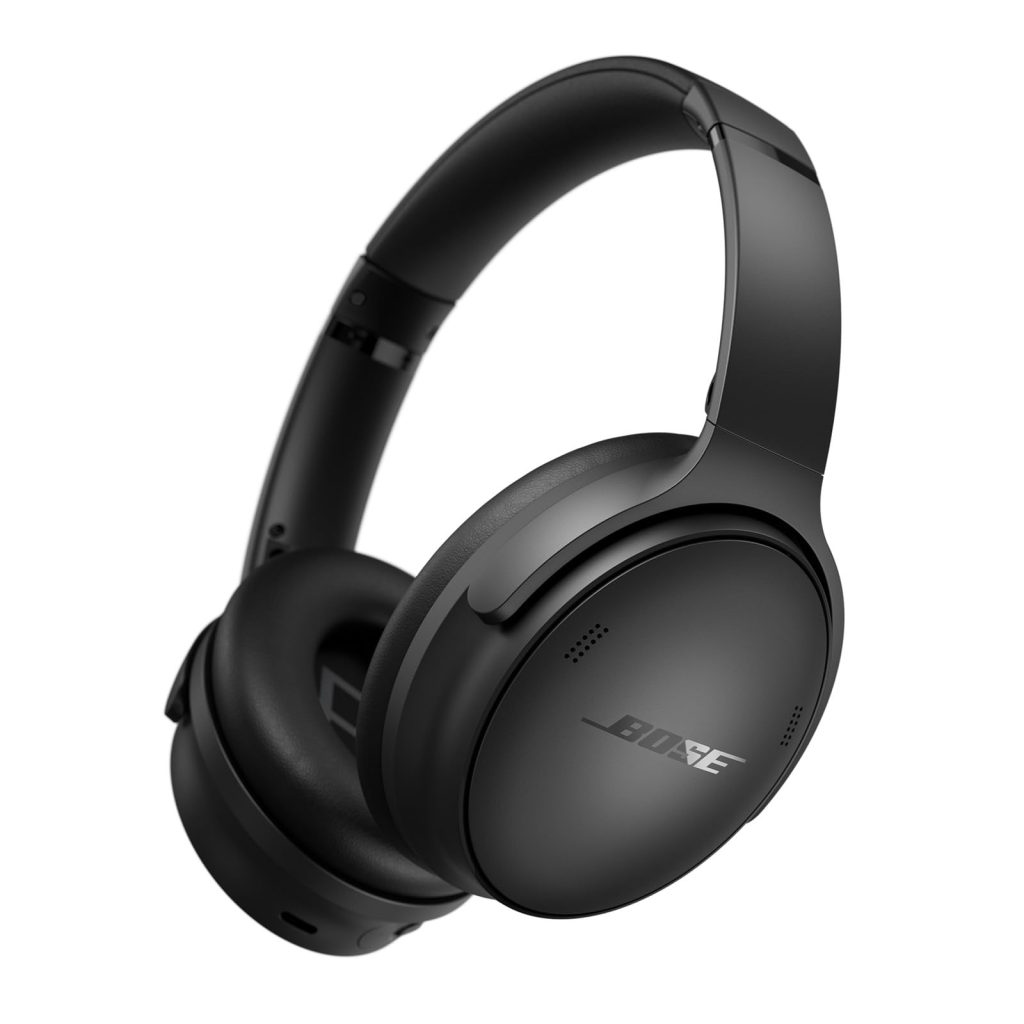
Bose QuietComfort Headphones prioritise soft, low-fuss wear and strong noise reduction. They are the sensible comfort-first choice, though the 24-hour battery and plasticky build are less impressive on paper.
Worth it if
long wear, physical buttons and a lighter-feeling headset matter more than having the newest flagship features
Watch out for
battery life trails several rivals, and ANC cannot be switched fully off—you choose Quiet or an adjustable Aware mode
See Bose QuietComfort Headphones on Amazon
The standard Bose QuietComfort is not the QuietComfort Ultra. It is the simpler, lower-cost over-ear model: folding design, physical controls, ANC, Aware mode, multipoint Bluetooth and an audio cable. For sensory use, the buying decision is less about codec arguments and more about whether its light clamp and cushion shape remain comfortable across an ordinary day.
Is comfort the reason to choose Bose?
This is the most defensible comfort-first recommendation in the group. Bose states up to 24 hours of battery life, and independent hands-on testing praises comfort and strong isolation. The trade is a less premium-feeling shell and fewer hours between charges than Sony or Sennheiser. If you repeatedly remove heavier headphones because of pressure, that trade can be worthwhile.
What Quiet and Aware modes can realistically do
The official product page confirms Quiet and Aware modes, adjustable wind-blocking, multipoint, Spotify Tap, a 3.5 mm cable and up to 24 hours of use. SoundGuys tested the model and highlighted comfort and effective noise cancellation while noting microphone and build limitations. These sources support a comfort-led recommendation, not a guarantee for every head shape.
Battery, build and app compromises
The headphones fold, but the hinges and plastic structure may feel less substantial than premium metal alternatives. Aware mode is useful for reducing the shock of conversation or traffic, but it is not the same as removing electronic processing. The Bose app adds EQ and mode control, creating an account-and-phone dependency for setup. Calls in noisy places are not the strongest reason to choose them.
Test the soft fit in your real setup
Test them with glasses, earrings and the hairstyle you normally wear. Move between Quiet and Aware mode, then listen without music to check ANC sensation. Confirm that the physical buttons are easy to distinguish by touch. If buying online, keep every insert until you have completed two long sessions inside the return period.
When Sony, Sennheiser or passive protection fits better
Choose Sony WH-1000XM6 for more battery, deeper settings and a newer flagship feature set. Choose Sennheiser Accentum when price and 50-hour battery matter more than plush controls. Choose passive earmuffs when you need reduction without Bluetooth, charging or ANC sensation.
Choose Bose when it stays wearable
Choose Bose QuietComfort when wearable comfort is the first gate and 24 hours is sufficient. Skip it if you want the longest battery, the smallest possible case or the most configurable app. The best headset is the one that stays on without becoming a new sensory problem.
Bose QuietComfort buying questions
Do Bose QuietComfort Headphones block all voices?
No ANC headset creates silence. Voices and sudden high-frequency sounds are reduced less predictably than steady engine or ventilation noise.
Can I use them wired?
Yes. Bose supplies an audio cable, which is useful for devices without Bluetooth or when wireless use is inconvenient.
QuietComfort or QuietComfort Ultra?
Start with the standard model if comfort and core ANC are the need. Pay for Ultra only after identifying a specific Ultra feature that matters to you.