
Review
Research-ledLumie Bodyclock Shine 300 Review: A Gentler Alarm with Setup Cost
The Shine 300 offers a highly adjustable sunrise, sunset, dim display, radio and sound alarm without bringing a phone into bed. Its menu setup and bedside footprint make it worthwhile only when light genuinely changes waking.
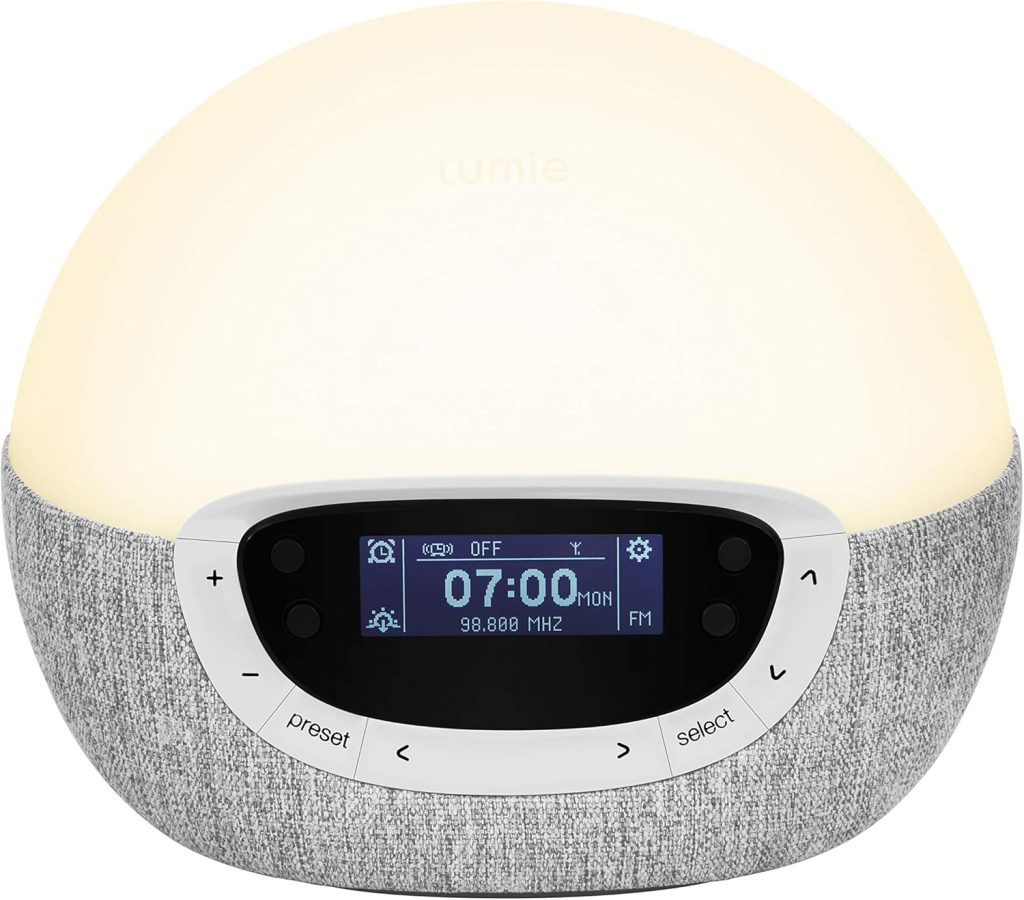
Worth it if
dark mornings are a repeated barrier, gradual light feels tolerable and you want a standalone alarm with adjustable sound and display
Watch out for
the controls take learning, it needs permanent bedside space and light can disturb a partner or feel unpleasant to light-sensitive sleepers
Check the Lumie Shine 300 on Amazon
The Shine 300 changes the alarm before it changes the morning
A phone alarm makes a sound in a dark room and expects the whole body to agree. The Shine 300 gradually moves through red, orange and warm white before the chosen wake time, with optional sound at the end. The aim is a less abrupt transition, not a promise that getting up becomes effortless.
Lumie provides adjustable sunrise and sunset periods from 15 to 90 minutes, 15 sleep or wake sounds, FM radio, daily or weekly alarms, tap snooze and a light-sensitive display that can dim or switch off overnight.
Customisation is valuable after the menu has been learned
The settings let you reduce sensory mismatch: a shorter or dimmer sunrise, no sound, a chosen alarm sound, or a dark clock display. That flexibility is the reason to choose Shine 300 over a basic sunrise lamp, but it also means the first setup is not one-button simple.
Use the manual, configure it during the day and test an alarm when nothing important depends on waking. Keep the controls reachable without putting the lamp where it can be knocked over, and consider whether light will affect anyone sharing the room.
Light can support a wake cue without treating ADHD or a sleep disorder
A consistent light cue may help make morning time more visible, especially during dark UK months. It does not diagnose or treat ADHD, insomnia, seasonal affective disorder or another health condition. Seek qualified advice when sleep difficulty is persistent, severe or connected to medication, mood or safety.
Light sensitivity, migraine and variable schedules can change the fit. If gradual brightness feels invasive rather than helpful, a vibrating alarm, smart bulb routine or ordinary sound alarm may be the better accommodation.
Buy Shine 300 when the phone is part of the bedtime problem
The strongest conversion case is a repeated dark-morning problem plus a desire to keep the phone away from the bed. Shine 300 combines bedside light, sunset, sunrise and audio in one stable object, which can reduce the number of systems involved.
Skip it if the room cannot accommodate light, setup menus tend to remain unfinished or a cheaper lamp already provides an effective cue. Use the time-blindness resources for the sequence after waking; an alarm cannot decide the next action for you.