Review
Research-ledThe Adult Autism Assessment Handbook Review: Who It Is Actually For
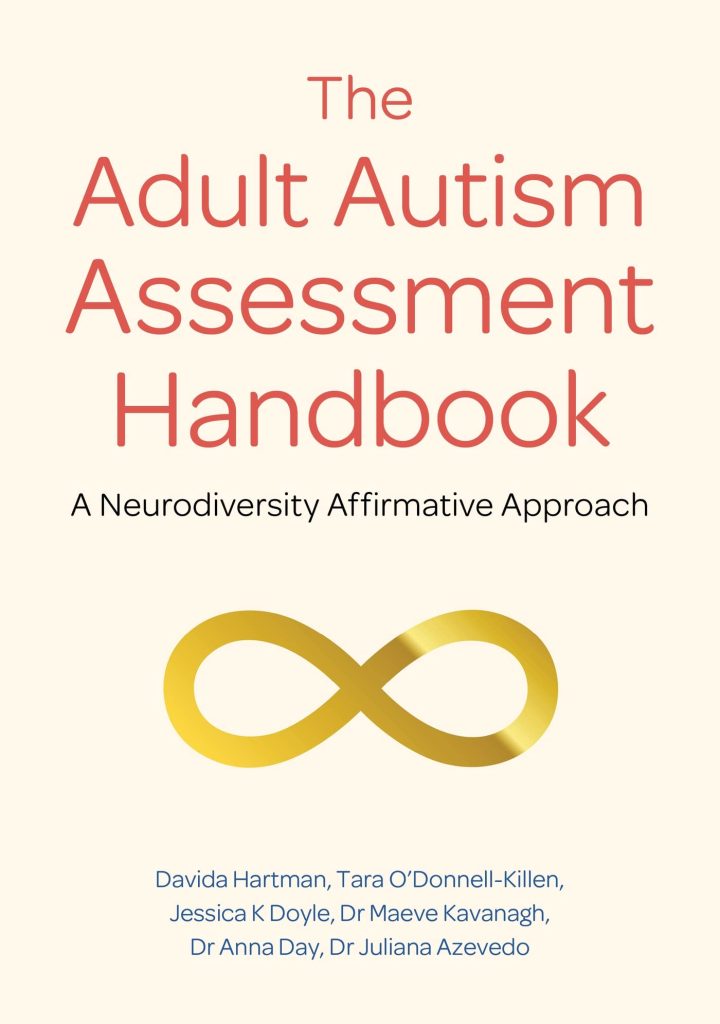
The Adult Autism Assessment Handbook is a substantial neurodiversity-affirmative professional reference. It can help adults prepare, but it is not a substitute for an assessment or the gentlest first book after diagnosis.
Worth it if
you are a clinician, advocate or detail-oriented adult who wants the reasoning and structure behind a respectful adult assessment
Watch out for
at 368 pages and written partly for professionals, it can be dense and emotionally demanding for someone seeking immediate reassurance
See The Adult Autism Assessment Handbook on Amazon
This is a 2023 Jessica Kingsley Publishers handbook by Davida Hartman, Tara O’Donnell-Killen, Jessica K Doyle, Maeve Kavanagh, Anna Day and Juliana Azevedo. The publisher positions it as a comprehensive guide to neurodiversity-affirmative adult autism assessment, including assessment tools, internal experience, language, intersections and post-assessment support. That is a narrower and more professional job than a general “could I be autistic?” introduction.
Who will actually use this handbook?
It is a credible, unusually detailed reference when you need to understand what a good adult assessment can consider. Adults preparing for assessment may value its language and downloadable resources, but many will not need to own the whole professional manual. Check a library or publisher sample first. If the immediate need is emotional orientation, begin with a shorter lived-experience guide and return to this when the assessment process becomes concrete.
What the professional framing adds
The publisher lists 368 pages, publication in February 2023, six named authors and a scope covering clinical tools, subjective experience, trauma, mental health and post-assessment support. The National Library of Ireland catalogue independently confirms the edition and describes it as a handbook with references and an index. NICE guidance supports comprehensive, person-involved assessment and adaptation for communication and sensory needs, but no book can perform that clinical process.
Where it stops being a reader-friendly introduction
A handbook can help a reader ask better questions; it cannot determine whether a service follows its approach or whether a diagnosis applies. Professional terminology and discussion of misdiagnosis may increase anxiety. Its price and physical size also matter if you need only two chapters. Treat endorsements on a publisher page as marketing context, not independent outcome evidence.
Read it around one assessment question
Read the contents and publisher sample before buying. Choose one purpose: preparing your history, understanding assessment tools or evaluating post-assessment support. Take notes in your own words and bring only the relevant questions to an appointment. Do not feel obliged to complete it in sequence.
Better starting points for reassurance or diagnosis basics
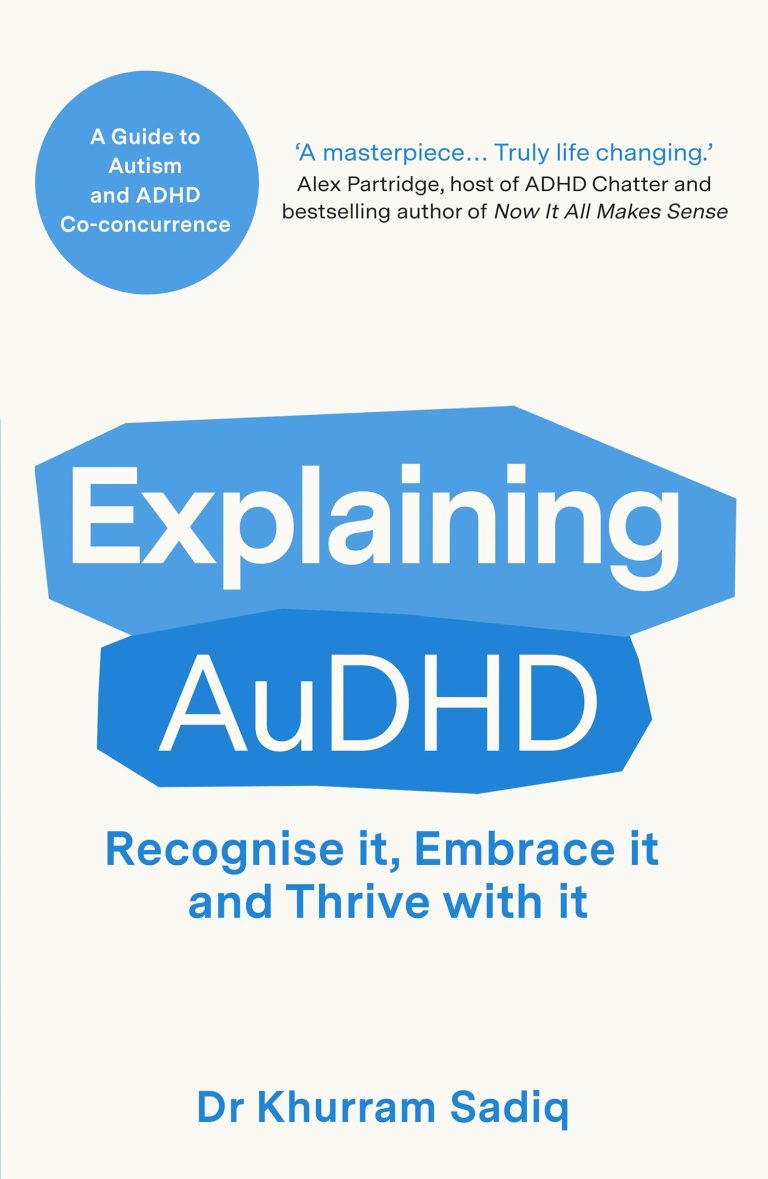
Choose Explaining AuDHD when combined autism and ADHD is the main question and accessible narrative matters. Choose an NHS or local diagnostic-service guide when you need the steps and referral route for your area. Choose Neurodiversity For Dummies for a broad, less clinical introduction.
Choose it for assessment depth, not general comfort
Buy or borrow this when the assessment process itself is the subject you need to understand. Skip it as a first comfort read, and never use it to self-certify a diagnosis. The library route is especially sensible for a high-cost reference you may consult selectively.
Questions before choosing this handbook
Is it written only for clinicians?
No, but it is substantially designed around professional assessment practice. Adults and supporters can use it, provided they expect handbook-level detail.
Can it help me get diagnosed?
It may help you prepare questions and understand the process. Diagnosis requires an appropriate comprehensive assessment; reading the book cannot replace one.
Does it include practical resources?
The publisher lists additional resources and downloadable forms, including material intended to support assessment preparation.