Review
Research-ledExplaining AuDHD Review: A Clear Starting Point for the Overlap
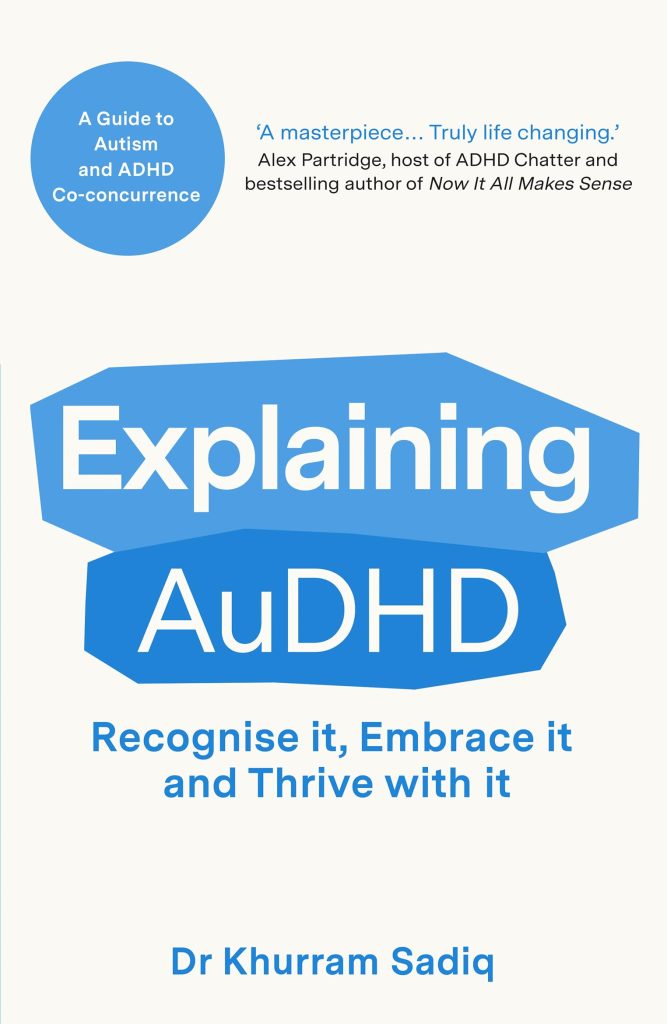
Explaining AuDHD is a current, accessible guide to experiencing autism and ADHD together. It is a credible orientation book, but it cannot determine whether either diagnosis applies to you.
Worth it if
you want a readable map of the apparent contradictions, lived experiences and self-advocacy questions around combined autism and ADHD
Watch out for
a broad 352-page framework cannot resolve an individual differential diagnosis or replace personalised support
See Explaining AuDHD on Amazon
Dr Khurram Sadiq’s Explaining AuDHD addresses autism and ADHD as a combined diagnosis rather than two unrelated checklists. The current paperback was published in January 2026 by August Books and is listed at 352 pages. The publisher says it combines real-life stories, accessible explanation and a framework for self-advocacy and discussion with loved ones.
Is this the right first map of the overlap?
This is the strongest general starting point among the current book pages when the overlap itself is confusing. The author’s clinical background, recent edition and explicit combined focus give it a clear advantage over generic “neurodivergence” compilations. Read it for language, patterns and questions. Do not read resemblance as diagnosis, especially where trauma, sleep, anxiety, learning differences or other conditions may also matter.
What the combined lens clarifies
Penguin Random House confirms the January 2026 edition, 352 pages, publisher, stated audience and author biography as a consultant neurodevelopmental psychiatrist. NICE adult autism guidance specifically notes ADHD as a relevant neurodevelopmental history in autism assessment, and NHS information recognises that autism and ADHD can co-occur. These sources support the topic’s legitimacy without validating every reader inference.
Breadth is useful until you need depth
Any accessible guide has to simplify. “AuDHD” is useful community shorthand, but assessment still considers development, impairment, context and alternatives. Real-life stories increase recognition while also encouraging confirmation bias. The book is not an urgent-care resource and cannot create local diagnostic capacity or accommodations by itself.
Read for one pattern, not a new identity checklist
Read for one question at a time: sensory conflict, routines, attention, communication or self-advocacy. Mark examples that feel relevant and examples that do not. Convert recognition into a short history of specific situations rather than a claim based on chapter count. If seeking assessment, use local service guidance to prepare. Include childhood context and the effect on daily functioning where you can, because isolated traits rarely tell the whole story.
More focused routes for autism or ADHD alone
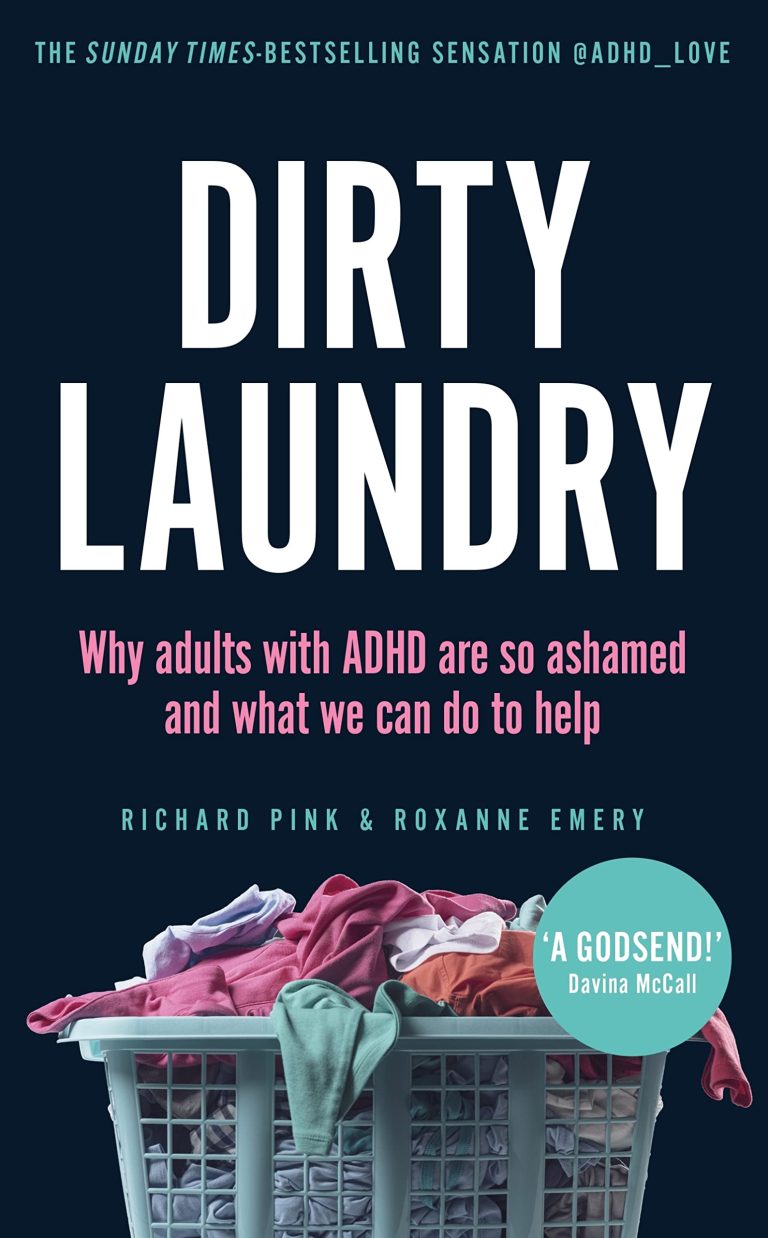
Choose The Adult Autism Assessment Handbook for professional depth around assessment. Choose Dirty Laundry for a shorter relationship-centred ADHD read. Choose NHS and NICE pages first when the immediate need is referral, treatment or support rather than narrative understanding.
Choose it as an orientation, not an assessment
Choose Explaining AuDHD when a current, combined overview is the missing piece. Borrow before buying if long books are routinely abandoned. Skip it as a diagnostic shortcut; its value is helping you articulate questions and needs more precisely.
Questions about scope and audience
Who wrote Explaining AuDHD?
Dr Khurram Sadiq, whom the publisher identifies as a consultant neurodevelopmental psychiatrist specialising in autism and ADHD.
Is it suitable before assessment?
Yes as orientation and preparation, provided you keep a distinction between recognising experiences and receiving a diagnosis.
Is the paperback current?
The publisher lists the 352-page paperback as published on 6 January 2026.